

Past Commercial Solar Projects
Agricultural Holdings – Bela-bela
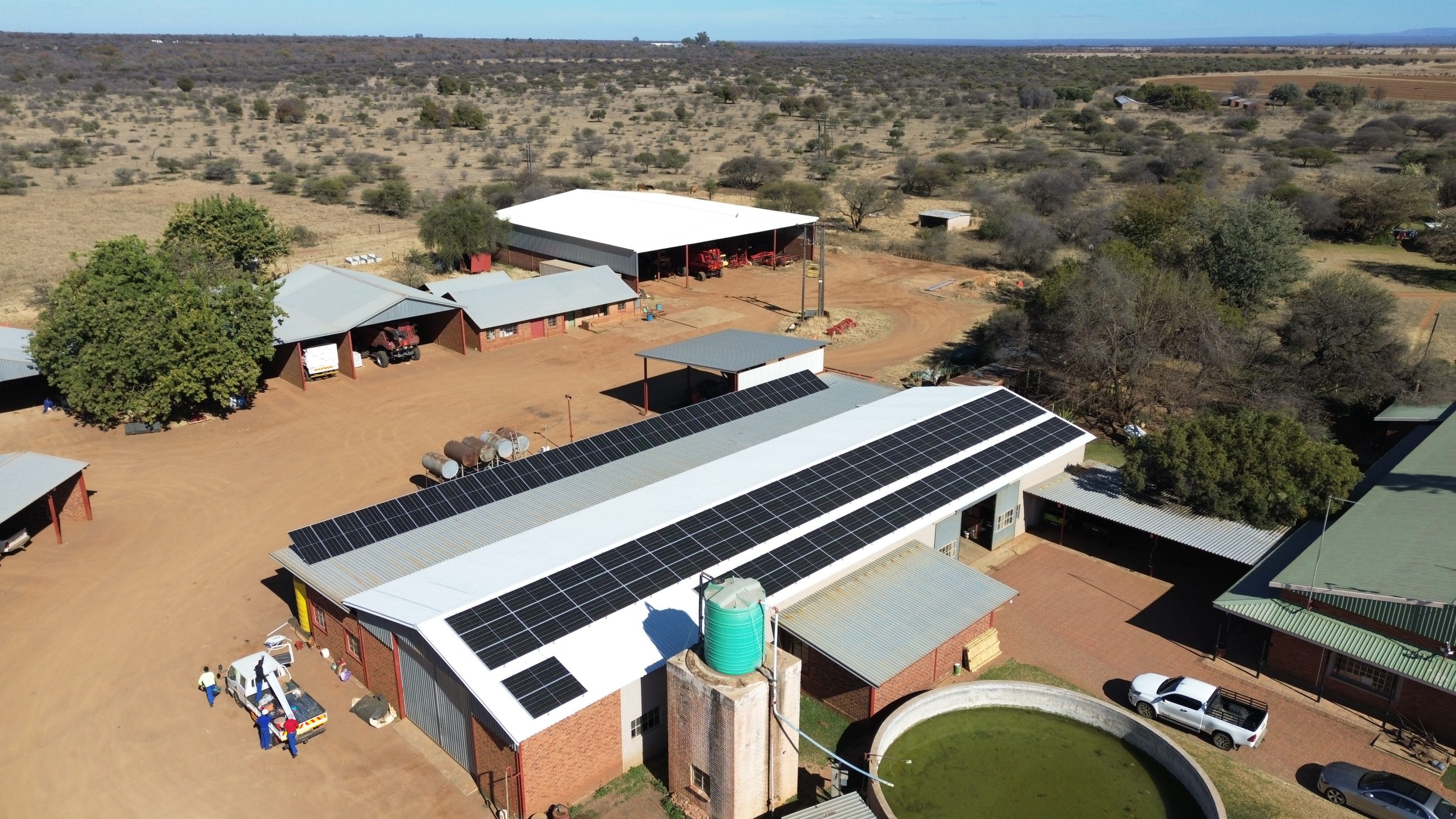
- 374 kW Hybrid Inverters
- 535 kWh Battery Back-up
- 275 kWp Solar Panels
The hybrid system (from the grid) was still available as a back-up – should they need it. Solar power became their primary source of electricity.
The installed solar power systems supported their full operations, and more, at a lower long-term cost. Margeral Agricultural Holdings finally became more sustainable – and less reliant on the grid to keep their business running.
Tshwane Data Center
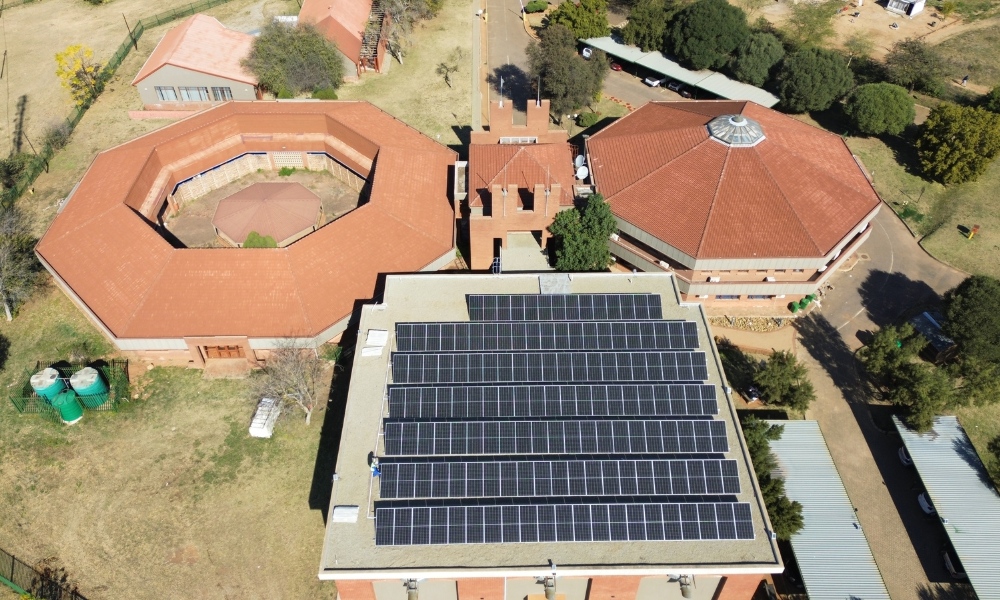
We installed three separate systems at three locations totalling to 312kWp of solar power production. The systems consist of solar panels, inverters, and batteries.
The solar panels power their daily activities directly and batteries provide power for all after-hours needs. The grid-tie systems provide immense savings on the grid or and diesel generators.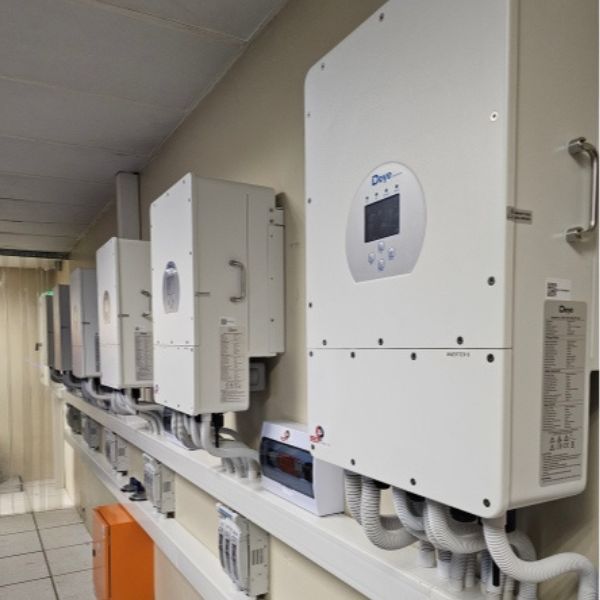
Switching to solar power was not only about saving money on their monthly bill but ensuring a clean power supply to ensure the integrity of their equipment.
The Tshwane data centres are now generating their own clean electricity at a lower cost.
Wouldn’t you want to do the same?
Past Residential Solar Projects
Residential Solar and BESS Project in Blouberg!

Residential Solar Project completed in Blouberg. The client recently bought a new house and wanted to run aircons, pool pumps and geysers. We looked at his current consumption along with the size and model of aircons he and his wife wanted to use. We opted for a 16 x 620watt Aiko panel array, A Fox 10,5kWh Inverter and the recently launched 12kWh High Voltage Fox ES Lithium battery. The final result was perfection! A neat install with all panels in clamp zones. Enough solar panels to charge the battery and supply house loads and enough battery to just make it through the night. I posted the pictures of his production vs consumption graphs in our blog post. Almost zero dependance on the grid. The solar system is doing exactly what it was intended to do. SAVE MONEY and PAY FOR ITSELF! This investment will have a very quick ROI and as a bonus, if load shedding ever does return they will have 16 hours of backup power! They haven’t needed to top up their pre-paid meter since we installed the system in January!
Another Successful Residential Solar Installation on Durbanville!
 HI love the Fox EVO systems, so easy to install. With the battery and inverter combined as one unit the job becomes much faster and neater. Plus the cost comes down quite a bit. Still packs 10kWs of Inverter and Lithium High Voltage Battery Power. This was a 1 and a half day installation. The system with only 7 by 625 watt Ja Solar panels is providing 99% of all power to the house. The geyser is on the essential supply and the oven is routed to non-essentials. This means if there is enough sunlight the panels will still run the oven and only use the grid if the power is too low.
The client was thrilled with the speed and neatness of the installation and are blown away by the power they are getting from just 7 panels. Sundial Solar has a huge after sales focus. We make sure to keep making regular contact with the client helping them understand what the system is doing and how best to optimise it getting the best savings and power outage protection.
Contact us to see how you can save on your home power bills today!
Cape Town Residential System Feeding Into the Grid
 I’m almost always asked by clients if it’s worth feeing excess solar back into the grid.
The biggest problem about doing this is that there is a R6000 cost for the bi-directional meter. The City of Cape Town currently payout R1,16 per kWh and then there is a R0.29 incentive to encourage solar system owners to go this route. The 29 cents incentive is reviewed every year which means it could be increased or decreased or fall away completely. So what does that look like in terms of ROI?
Assuming we work on a total of R1,45 per kWh feed-in we would need to feed 4137kWh’s into the grid to pay off the meter. Most solar systems are designed to cater for 70 to 90% of a households or a businesses usage. That is the most cost effective target in terms of paying a solar system off. For most small homes it’s too long a payback period for business it could often make more sense.
 Here is where the Cape has a serious advantage. The summer months have very longs days with the sun still producing energy as let as past 7pm in the evening. In winter the production is hampered by shifters days and cloudy weather owing to the Mediterranean climate. Designing a system in the Cape to meet 70% to 90 % of a business or homes consumption means that by default you get excess solar that could be used to feed into the grid. That means ROI’s of 2 to 3 years to cover the cost of the meter in a medium size home. The excess revenue generated by the solar can be used to set off any item on the bill. This means you can set it off to your rates or water charges. My overall take on feed-in is that if the systems standard design makes feed-in worth while then do it. I would however never design or up size a solar system in order to feed-in. The rules and tariffs from council could change from year to year and your client could be stuck with an oversized solar system and no way to recover the costs.
Residential Solar System in Suningdale, Cape Town.
Our client was paying R3.53 per kWh and he was running has Furniture Business from his home. 6820 kWp peak of solar panels in an East/West configuration. I love this set up as it get the early morning sun power to charge up the batteries and the late afternoon sun to keep the system going for as long as possible before nighttime comes and we rely on the batteries to discharge the saved up power.


Site Remediation in Welgemoed


One of our clients referred us to a home user in Welgemoed. The SSEG had not been done and the City of Cape Town had found out. They issued the home user a warning and instruction to apply for SSEG or receive a fine and have their system disconnected.
We asked the client to send photos of his installation so we could proceed with the application. When the photos were received we noticed that there were issues with compliance. DB’s not labeled, batteries at different states of charge etc. We decided to approach Offrian Solutions to conduct a site inspection. This provided an additional layer of transparency as a third party would confirm what is required.
After their investigation they compiled a list of what was needed for a Pr Eng to sign off on the system and then apply for SSEG. The end result was this:
The installer who ‘won’ the contract won because he was at least R25,000 cheaper than any competing quote and the reason for that was that he failed to install the Balance of Equipment including pilot lights and circuit breakers, earth cables and safety equipment need for a compliant solar installation. This is when he ran away.
Our team at Sundial Solar installed all the missing equipment. Re mounted the batteries with correct cable lengths and applied for the SSEG.
Installing a solar system properly is a priority for Sundial Solar.
Solar Installation for a Guesthouse

 Our latest installation in progress. A 15kW Fox 3 phase inverter with 2 x EP 12kWh batteries and 36 x 630 watt Ja Solar panels.
This will help maximise the guesthouses profits who no longer have to waste money on high power charges. The added benefit is that the guest experience won’t ever be ruined during power outages. This was quite a complicated install with multiple DB’s and 3 geysers.  We put the geysers on timers to be heated up during the day so the battery would last through the night. Maximising savings and optimising the system is what we will be doing over the next coming months. Sundial Solar’s company mission it to be the installer that saves their clients the most money and offers the best after sales service.
Recent Comments